How to Meet People in The Hague (The Honest Expat Guide)
The Hague has a strange social paradox
The Hague is the most international city in the Netherlands. The International Court of Justice is here. The International Criminal Court is here. Europol is here. Hundreds of embassies, NGOs, and multinational organizations fill the city with people from every corner of the world. And yet, meeting people here can feel impossibly hard. The paradox is this: everyone in The Hague is international, but everyone is also temporary. Diplomats rotate every three years. NGO workers move on to the next posting. Interns cycle through every six months. The international community is wide but shallow — people arrive, build a fragile social circle, and then watch it dissolve when half the group moves to Geneva or Nairobi or New York. If you've been in The Hague for a while and your social life feels like it's built on sand, you're not imagining it. The constant rotation of people makes it harder to build lasting friendships than in a city where people actually stay. But the people who do stay — the ones who chose The Hague and committed to it — are some of the most interesting, open, and internationally minded people you'll find anywhere. You just need to know where to find them.
Have dinner with strangers
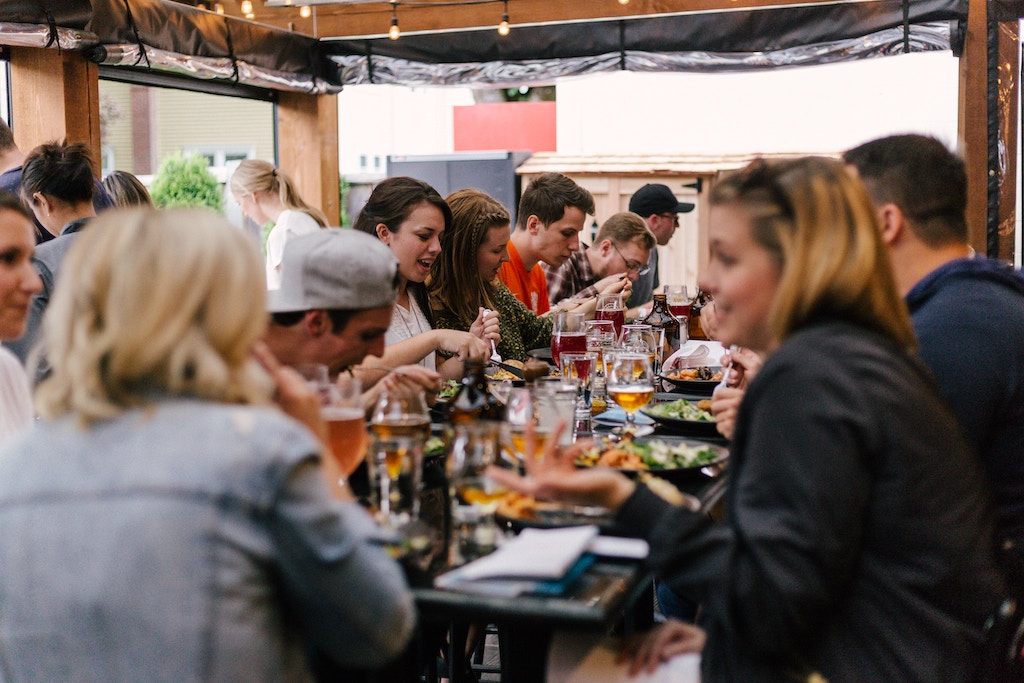
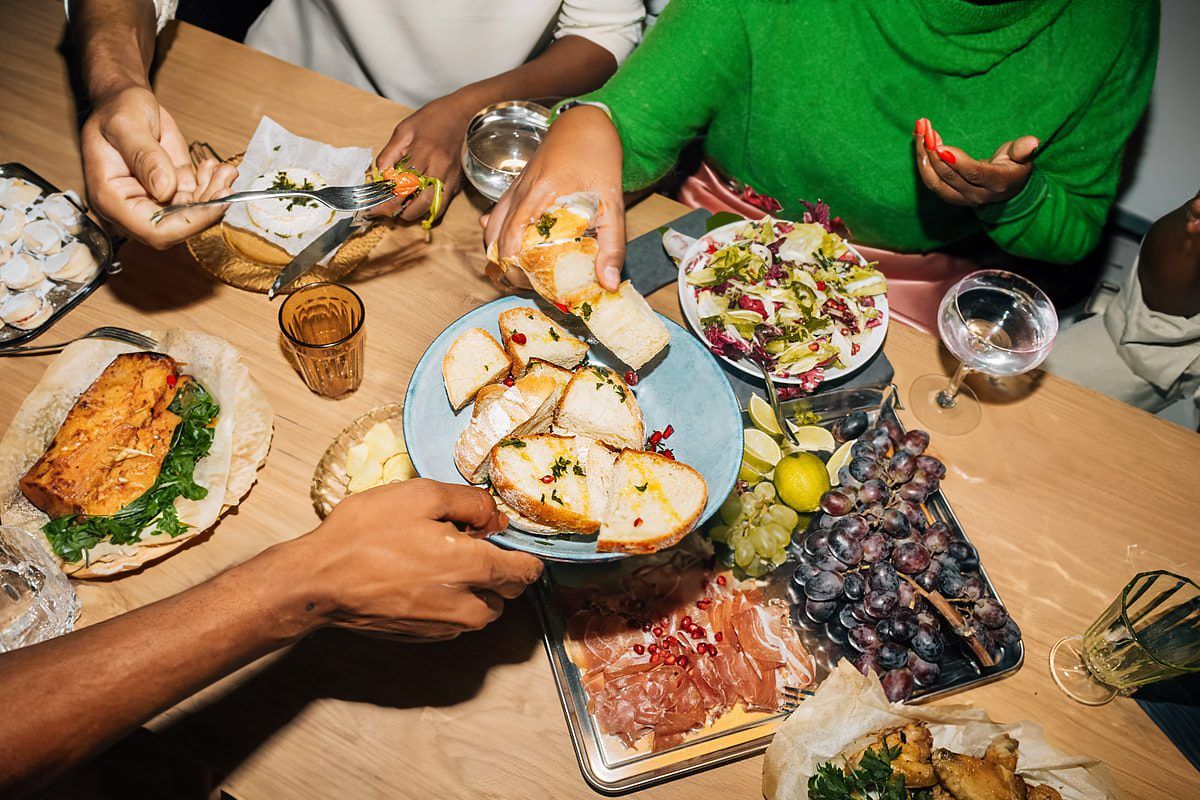
This is the most effective way to meet people in The Hague, and it's the one nobody thinks of first. The concept: someone who loves to cook hosts a dinner at their home and invites a small group of strangers to join. You book a seat, show up, eat a home-cooked meal, and spend the evening in real conversation with people you've never met. No small talk scripts. No name tags. No standing around a bar hoping someone approaches you. The Dinner Club is a platform where this happens every week across the Netherlands. Local hosts list dinners — Italian, Indian, Mexican, Korean, whatever they feel like cooking — and guests browse by city, cuisine, and date. Groups are small, usually two to five people, which means everyone is part of the same conversation. By dessert, you're exchanging numbers. The Hague is a perfect city for social dining because the international community is already predisposed to cross-cultural experiences. At any table, you might sit with a diplomat, a startup founder, a student, and a teacher — each from a different country, each with a completely different life story. Most guests come alone. That's the whole point. You don't need to know someone to meet someone.
Browse upcoming dinners in The Hague → thedinnerclub.eu
Find your neighbourhood and commit to it The Hague is a city of villages. Each neighbourhood has its own personality, its own regulars, and its own social rhythm. The fastest way to meet people is to pick one and root yourself in it. Zeeheldenkwartier is where many young internationals end up. It's central, walkable, and has the highest density of independent cafés, restaurants, and small shops in the city. The vibe is creative and slightly bohemian. Café de Oude Mol and Bookstor are the kind of places where regulars know each other by name. Statenkwartier is quieter, greener, and close to both the city centre and the beach at Scheveningen. It's popular with families and professionals who want a neighbourhood that feels residential but not suburban. Archipelbuurt and Willemspark are the embassy neighbourhoods — elegant, leafy, and full of people connected to international organizations. The networking opportunities here are obvious, but the social life extends beyond work. The cafés along the Frederik Hendriklaan draw a loyal crowd. Scheveningen is the beach neighbourhood. Living by the sea changes your social life — the boulevard, the beach bars, the weekend surfers, and the Havenkwartier harbour area create a community that revolves around outdoor life. It's the most social neighbourhood in The Hague, especially in summer. The Hague Centrum is where the cultural life concentrates — the Binnenhof, the Passage, the Grote Markt. It's busy and commercial during the day but the bars and restaurants around the Plein and Grote Markt are where after-work drinks happen. The trick isn't finding the best neighbourhood. It's going to the same café in your neighbourhood every week until the barista knows your name. That's how you build a village within a city.
Join the expat community (but choose wisely)
The Hague has more structured expat organizations than any other Dutch city, which is both an advantage and a trap. The advantage: there's always something happening. ACCESS, the expat centre for The Hague, runs regular events and workshops. The American Women's Club, the British Society, the International Women's Contact, and dozens of nationality-specific groups organise everything from wine tastings to hiking trips. The trap: large expat organizations can become bubbles where you only meet other expats, all of whom are also temporary. After two years, your entire social circle has rotated and you're back to square one. The solution is to mix. Use expat organizations as your starting point — they're great for the first few months when you need quick social wins. But simultaneously invest in activities that connect you with people who are staying long-term: Dutch people, settled expats, and anyone who has chosen The Hague rather than been posted here.
The organizations worth joining:
ACCESS (access-nl.org) is the most established expat support centre. Their events are well-organized and the community is welcoming. The Hague Internationals (Meetup) organises regular social events ranging from drinks to day trips. The group is large and active, which means there's usually something happening every week. Internations The Hague has monthly networking events. These are larger and more formal than Meetup events, which makes them better for professional networking than deep friendships.
Play a sport
The Dutch sports club system — the vereniging — is one of the most reliable social integration tools in the Netherlands. It works because it combines regular attendance, physical activity, and the post-training bar visit into a single package. The Hague has strong clubs for almost every sport. Hockey is particularly popular and The Hague has several clubs with active social scenes. Tennis clubs line the edges of the city parks. Running groups gather every week along the Scheveningse Bosjes or the beach boulevard. Bouldering has become the default expat sport across the Netherlands because it's inherently social — you rest between climbs and talk to the people around you. Monk Bouldergym has a location in The Hague with an active community. Beach volleyball in Scheveningen during summer is the most social sport in the city. Courts line the beach and most are open for anyone to join. Show up alone and you'll be absorbed into a game. Parkrun happens every Saturday at 9am in the Zuiderpark. It's free, open to all levels, and the post-run coffee is where friendships actually form. The key is picking something with a fixed schedule and a recurring group. Drop-in classes give you exercise. Clubs give you friends. Explore the food scene The Hague's food scene is underrated and surprisingly diverse, thanks to the city's international population and its large Indonesian, Surinamese, and Turkish communities. The Haagsche Markt is one of the largest outdoor markets in the Netherlands. It runs on Monday, Wednesday, Friday, and Saturday, and the food section is extraordinary — fresh produce, spices, international ingredients, and street food stalls serving everything from herring to samosas. Going alone on a Saturday morning feels natural, and the communal eating areas invite conversation. The Zeeheldenkwartier has the densest concentration of independent restaurants and cafés. Walk down the Prins Hendrikstraat or Zoutmanstraat and you'll pass Italian, Turkish, Vietnamese, Ethiopian, and Dutch spots within a few hundred metres. Scheveningen's Havenkwartier — the harbour neighbourhood — has a growing cluster of restaurants and bars around the fishing port. Fresh seafood, waterfront terraces, and a crowd that's there because they love food, not because it's trending. For the most authentic Indonesian food outside of Indonesia, The Hague is the place. The city's historical ties to the Dutch East Indies created a rijsttafel tradition that's been passed down for generations. Restaurants like Garoeda and Blauw serve elaborate multi-dish spreads that are worth every euro. And if you want something more intimate than a restaurant — a home-cooked meal at someone's table with people you've never met — that's exactly what The Dinner Club offers. Someone in The Hague is cooking tonight. Work from cafés that welcome staying If you work remotely or have flexible hours, cafés are one of the best social spaces in The Hague. Unlike Amsterdam, where the "no laptop" movement has taken hold, The Hague still has plenty of spots that welcome people who want to work and linger. Lola Bikes & Coffee in the Noordeinde area combines a bike shop with a specialty coffee bar. The crowd is creative, international, and friendly. It's small enough that you end up in conversation. Walter Benedict near the Binnenhof is a favourite among professionals and freelancers. Good coffee, good food, and a quiet atmosphere that's productive without being isolating. Hometown Coffee in the Zeeheldenkwartier has a loyal regular crowd and excellent espresso. Go on the same day every week and you'll start recognising faces. The pattern is the same as everything else on this list: regularity builds relationships. One café, one day per week, every week.
Go to the beach
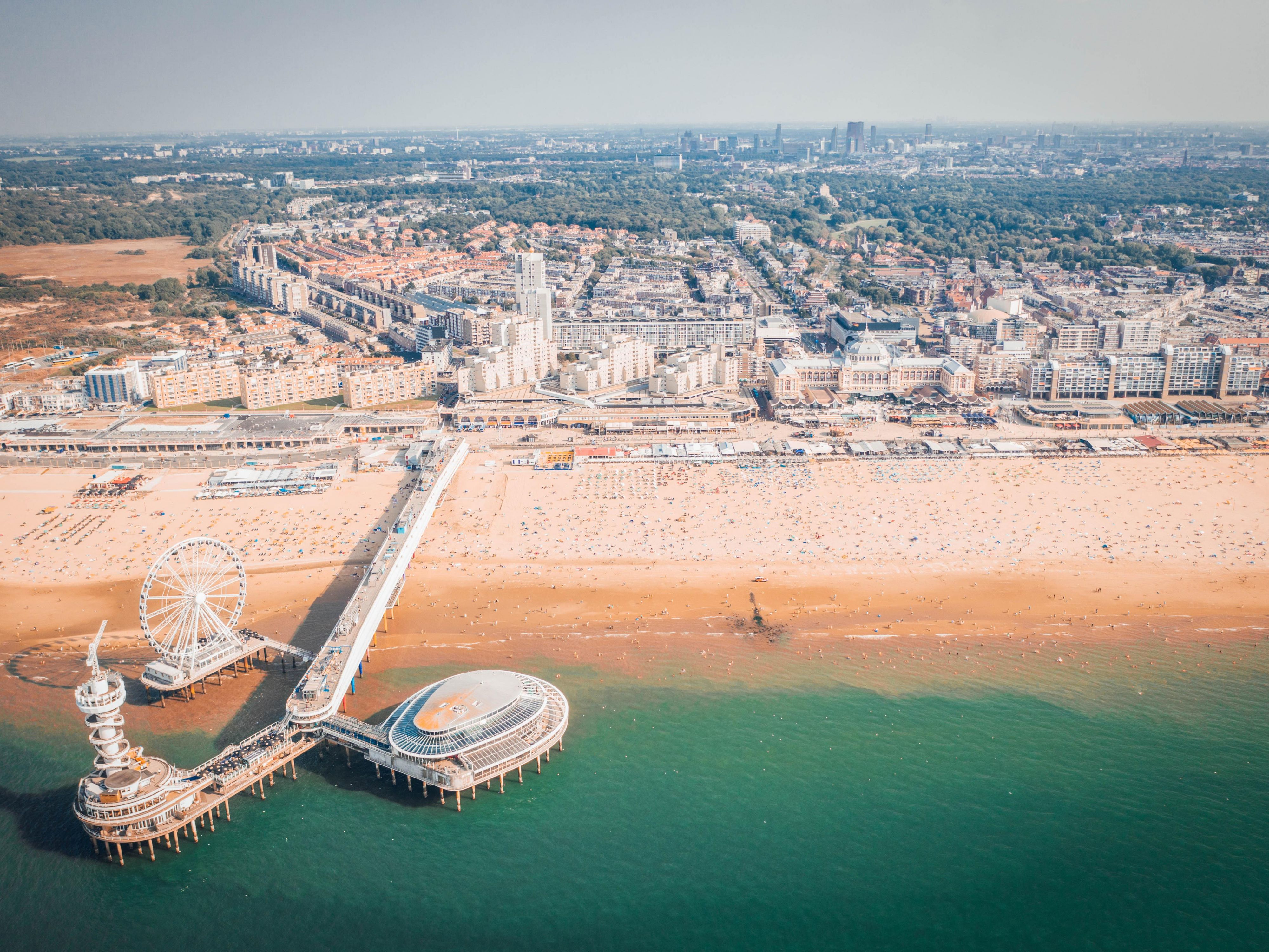
This is The Hague's unfair advantage over every other Dutch city. Scheveningen is fifteen minutes from the city centre by tram, and the beach culture it creates is genuinely social. In summer, the beach bars (strandtenten) are where The Hague's social life moves. Beachclub Whoosah, The Shore, and Suiderstrand all have regular events, live music, and the kind of relaxed atmosphere where strangers talk to each other. In winter, the beach is quieter but no less beautiful. A walk along the Scheveningen boulevard when the North Sea is wild and grey is a different kind of therapy — and the hardy souls who do it regularly form their own kind of community. Living in a city with a beach changes your relationship with loneliness. There's something about the sea that makes being alone feel less like isolation and more like solitude. It doesn't replace human connection, but it gives you a place to breathe while you're building it. Learn Dutch (even a little) The Hague has the same dynamic as the rest of the Netherlands: you can survive entirely in English, but you'll thrive faster if you learn some Dutch. The bonus in The Hague is that the city actively supports language learning for internationals. The Bibliotheek Den Haag runs free conversation groups. Taalhuis Den Haag offers subsidised courses. The municipality sometimes organises integration workshops that include language components. Even if you only learn enough to order coffee, greet your neighbours, and read signs, those small moments of connection in Dutch open doors that remain closed in English. In The Hague — a city full of people who all speak English — Dutch becomes a signal that you're investing in this place, not just passing through.
Host a dinner yourself
Most people in The Hague wait to be invited somewhere. They browse Meetup, scroll through Facebook events, and check what's happening this weekend. Everyone is waiting for someone else to take the initiative. Be the person who does. You don't need to organise a formal event. Cook dinner and invite three people you've met once. Set up a Sunday coffee and text the neighbours. Suggest a walk along the beach to your language class. The bar for initiative is so low that simply asking is often enough. If you want to take it further, The Dinner Club makes hosting simple. You list a dinner, set the date and price, and the platform handles finding guests, collecting payments, and managing bookings. You just cook and open the door. Hosts keep 85% of every booking. Most dinners earn €30-€100 for an evening of cooking something you'd cook anyway — except now you have people to share it with. Some of the most active hosts on the platform started because they were tired of cooking for one. Host a dinner in The Hague → thedinnerclub.eu The truth about meeting people in The Hague The Hague gives you everything you need to build a social life. International communities. Sports clubs. A beach. A food scene. Neighbourhoods with character. And a population that is, by nature of the city's role in the world, more open to newcomers than almost anywhere else in the Netherlands. What it doesn't give you is time. The rotation of people through this city means that every friendship has a clock on it unless you find the people who are staying. And the only way to find them is to show up — to the same café, the same sports club, the same dinner table — and keep showing up until the temporary faces are replaced by permanent ones. The friends are here. They're cooking dinner tonight. They just don't know you exist yet.
Find a dinner in The Hague → thedinnerclub.eu
The Dinner Club is a social dining platform in Amsterdam, Rotterdam, and The Hague where local hosts cook dinner and strangers book a seat. Dinners are small (2-5 guests), home-cooked, and range from free to €25. Read more: How to Meet People in Amsterdam | How to Meet People in Rotterdam | What Is Social Dining? | Things to Do Alone in Amsterdam