
The Rotterdam Expat Guide: Everything You Need to Know in 2026
Rotterdam is not Amsterdam. That's the point.
If you moved to Rotterdam expecting a smaller version of Amsterdam, you've probably already noticed that nothing about this city works that way. There are no canal houses lined up in neat rows. There's no red-light district tourists wander through with selfie sticks. There's no myth of Rotterdam that precedes the reality. What Rotterdam has instead is space — physical space, creative space, and the psychological space to be whoever you arrived as without anyone expecting you to perform a version of Dutch life you saw on Instagram. This guide is for people who are already here and still figuring it out, and for people who are about to arrive and want to know what they're actually getting into. Not the official version. The real one.
Where to live: neighborhoods that actually make sense for expats
Rotterdam is more spread out than Amsterdam, which means your neighbourhood choice matters more. Where you live will determine your commute, your social life, and how quickly Rotterdam starts to feel like home. Centrum is the obvious starting point. It's where the shops, restaurants, and nightlife are concentrated. The Witte de Withstraat area is the cultural heart — galleries, bars, independent restaurants, and a crowd that skews young and international. The downside is noise, especially on weekends, and apartments tend to be smaller for the price. But if you want to be in the middle of everything, this is it. Kralingen is where many expats end up, and for good reason. It's close to Erasmus University, has the Kralingse Plas lake for running and swimming, and the café scene is excellent. The neighbourhood feels residential without being boring. Rent is slightly lower than Centrum, and the international community here is strong because of the university. Katendrecht is Rotterdam's most interesting transformation story. A former red-light district and Chinatown that's become a creative, slightly edgy neighbourhood full of good food, waterfront views, and character. Fenix Food Factory is here. The SS Rotterdam is docked nearby. It's the kind of place where you'll either love the rawness or wish you'd picked somewhere quieter. Blijdorp is north of Centraal Station, quieter, greener, and more affordable. The zoo is here, which sounds random but it means parks and green space are everywhere. Good for people who want a calmer base with easy access to the centre by bike or tram. Delfshaven is Rotterdam's only neighbourhood that survived the 1940 bombing, which gives it a historical character the rest of the city doesn't have. Small canals, old buildings, a growing food scene, and prices that haven't caught up with the demand yet. Popular with creative types and young professionals who want something that feels less corporate than Centrum. The honest advice: start in Kralingen or Centrum for your first year. Once you know the city, move to Katendrecht or Delfshaven if you want more character for less money.
The cost of living: cheaper than Amsterdam, but not cheap
Rotterdam is roughly 10-15% cheaper than Amsterdam for rent, and noticeably cheaper for eating out and groceries. But "cheaper than Amsterdam" isn't saying much when Amsterdam is one of the most expensive cities in Europe. Expect to pay €1,200-€1,800 per month for a one-bedroom apartment in a decent neighbourhood. Studios start around €900-€1,100. Shared housing — a room in a shared apartment — runs €600-€900 depending on size and location. The housing market in Rotterdam is competitive but less insane than Amsterdam. You'll still face the Dutch rental market's quirks: agencies charging finder's fees, landlords asking for income proof of 3-4x the rent, and a shortage of supply in the mid-range. Start looking on Funda, Pararius, and Kamernet. Facebook housing groups like "Rooms/Apartments/Studios for Rent in Rotterdam" are active and sometimes have listings before they hit the platforms.
Groceries are reasonable.
A weekly shop at Albert Heijn or Jumbo runs €50-€70 for one person. Lidl and Aldi are significantly cheaper. The outdoor markets — especially the Binnenrotte market on Tuesday and Saturday — offer fresh produce at lower prices than supermarkets. Eating out is where Rotterdam shines compared to Amsterdam. A good dinner for two with drinks costs €50-€70 at a mid-range restaurant, versus €70-€100 in Amsterdam. The Witte de Withstraat strip has dozens of options across every price range. Or you could skip the restaurant entirely and book a home-cooked dinner through The Dinner Club for €10-€15 per person — a full meal, drinks often included, and you'll meet new people while you eat. It's the best value evening out in the city.
Getting around: bikes, trams, and the metro
Rotterdam has something Amsterdam doesn't: a metro system. The RET metro, tram, and bus network covers the entire city efficiently. An OV-chipkaart (public transport card) is essential — buy one at any station or online and load it with credit or a monthly subscription. A monthly transport subscription costs around €90-€100 for unlimited travel within Rotterdam. If you mainly travel during off-peak hours, the Dal Voordeel subscription cuts fares by 40% for €5 per month — one of the best deals in Dutch public transport. Cycling is the default mode of transport, just like the rest of the Netherlands. Rotterdam is flatter than flat, and the bike infrastructure is excellent. Buy a secondhand bike from a bike shop (not from someone on the street — those are probably stolen). Budget €100-€200 for a reliable secondhand Dutch bike. Always use two locks. Always. The big difference from Amsterdam: Rotterdam's streets are wider, traffic is less chaotic, and cycling feels less like a blood sport. You'll actually enjoy biking here.
**The Dutch language question
Here's the uncomfortable truth: you can live in Rotterdam for years without learning Dutch, and many expats do. Almost everyone under 50 speaks English fluently. Shops, restaurants, and offices operate in English. Your landlord emails you in English. Your doctor speaks English. But there's a cost to not learning Dutch, and it's social, not practical. Dutch social circles tend to form early in life and are notoriously hard to break into as an outsider. Speaking Dutch won't automatically open those circles, but not speaking it guarantees they stay closed. Even basic Dutch — ordering coffee, greeting neighbours, reading signs — changes how locals respond to you. In Rotterdam especially, where people value directness and authenticity, trying to speak their language signals that you're here for real, not just passing through. Language schools in Rotterdam include Taalhuis, Direct Dutch, and Koentact. Evening courses designed for working professionals run €200-€400 per semester. The social benefit of the classroom — meeting other internationals in the same situation — is almost as valuable as the language itself. The Dutch government also offers free language courses through the inburgeringscursus for certain visa holders. Check with your municipality whether you qualify.
Making friends: the honest version
This is the section every expat guide avoids being honest about, so here it is. Making friends in Rotterdam as an expat is hard. Not impossible — hard. And the difficulty isn't unique to Rotterdam. It's a Dutch thing, amplified by the fact that you're in a new country where social norms are different and your existing support network is somewhere else. The Dutch make friends in school, in university, and through their sports clubs. By the time they're 25, their social circle is largely set. They're friendly — genuinely friendly — but "friendly" and "available for new friendships" are different things. A Dutch colleague will happily have lunch with you every day at work and never once invite you to their home on the weekend. This isn't rudeness. It's just how the social structure works here.
So what actually works for expats?
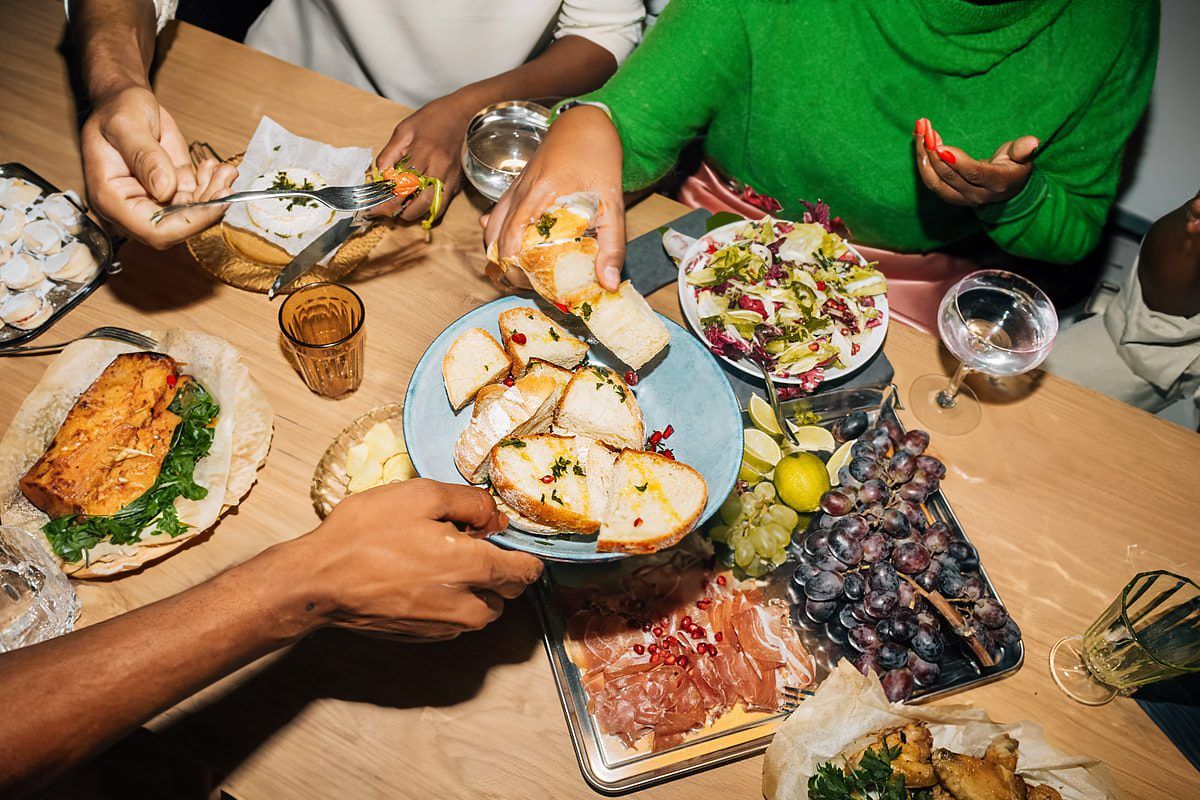
Recurring activities with the same people. Not one-off events. Not large networking drinks. Small groups that meet weekly — a sports club, a language class, a running group, a dinner. Friendship requires repetition, and Rotterdam rewards the person who shows up to the same place every week, not the person who goes to the most events. Social dining. The Dinner Club exists specifically because making friends over food is more natural than making friends at a bar. You book a seat at a stranger's dinner table, eat a home-cooked meal with 2-5 other people, and by dessert nobody feels like a stranger. Most guests come alone. Dinners are €3-€25. It's the fastest shortcut to real connection that exists in Rotterdam right now.
Browse dinners in Rotterdam → thedinnerclub.eu
Expat communities. The Rotterdam expat community is smaller and tighter than Amsterdam's, which is actually an advantage. You see the same faces at different events, which builds familiarity faster. Groups like Expats in Rotterdam (Facebook), Rotterdam International Social Club (Meetup), and various nationality-specific groups organise regular events. Sports clubs. Bouldering at Beest, running with RotterdamRuns or Parkrun, rowing, football — the Dutch vereniging system is designed for exactly this kind of social integration. Join one. For a deeper dive, read our full guide: How to Meet People in Rotterdam.
he food scene: better than you've heard
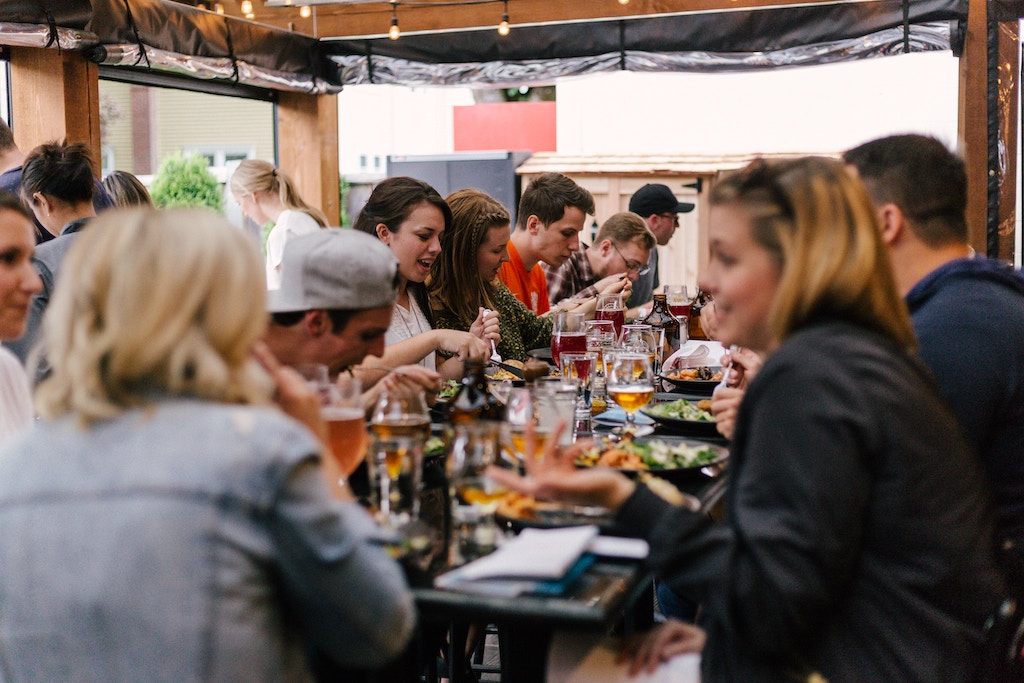
Rotterdam's food reputation has undergone a quiet revolution. The city that used to be dismissed as a "working city" with no food culture now has some of the most interesting eating in the Netherlands — and it's more diverse and more affordable than Amsterdam. The Markthal is the centrepiece — a cathedral of food under a painted ceiling, with stalls covering Indonesian, Turkish, Surinamese, Dutch, Italian, Japanese, and everything in between. Go on a Saturday morning when the outdoor Binnenrotte market extends the experience. Katendrecht's Fenix Food Factory is the local favourite — a converted warehouse on the waterfront with craft beer, artisan cheese, and communal tables that make eating alone feel natural. Witte de Withstraat has the highest concentration of restaurants per metre in the city. From Michelin-recommended to a €5 roti, this street covers every price point and cuisine. Rotterdam's Surinamese food is some of the best in Europe. Warung Mini, Roopram Roti, and dozens of smaller spots serve food that's deeply flavourful, incredibly cheap, and almost impossible to find outside the Netherlands. The Turkish and Moroccan food scenes are also strong, especially in Delfshaven and Rotterdam West. Fresh bread from Turkish bakeries, shawarma shops that put any takeaway chain to shame, and family-run restaurants where the portions are enormous and the prices are modest.
For home-cooked food from local hosts
— the kind you won't find in any restaurant — check what's cooking on The Dinner Club this week. Someone in Rotterdam is making risotto, tacos, or curry tonight, and there might be a seat left at their table. Working in Rotterdam: what expats need to know Rotterdam's economy is anchored by the port — the largest in Europe — but the city's professional landscape has diversified significantly. Tech, finance, architecture, logistics, sustainability, and creative industries all have a growing presence. Major employers with international offices include Unilever (global headquarters is nearby), Erasmus Medical Centre, the Port of Rotterdam Authority, and a growing number of fintech and climate-tech startups based in hubs like Cambridge Innovation Center and BlueCity. If you're job hunting, LinkedIn is the primary tool in the Netherlands. Dutch companies take LinkedIn profiles seriously — often more seriously than CVs. Keep yours updated and in English.
Salary expectations:
the Netherlands uses a gross/net system that can be confusing. A €50,000 gross salary translates to roughly €3,000-€3,200 net per month after taxes and social contributions. The 30% ruling — a tax benefit for skilled migrants — can significantly increase your net income if you qualify. Talk to your employer or a tax advisor about this before signing a contract. Freelancers and self-employed professionals need to register as a ZZP'er with the KvK (Chamber of Commerce). The process is straightforward but Dutch bureaucracy moves at its own pace. Budget a few weeks for the registration and initial setup.
Healthcare: registering and finding a doctor
Healthcare in the Netherlands is insurance-based. You're legally required to have basic health insurance (basisverzekering), which costs approximately €120-€140 per month. Shop around on comparison sites like Independer or Zorgwijzer — the coverage is standardised, so the cheapest option is usually fine. Register with a huisarts (general practitioner) as soon as possible after arriving. This is important — you can't see a specialist without a GP referral, and finding one that accepts new patients can take time. Ask colleagues or neighbours for recommendations, or check the KNMG register online. The Dutch healthcare system prioritises the GP as a gatekeeper. Don't expect to walk into a specialist's office — everything goes through your huisarts first. This can feel frustratingly slow if you're used to systems where you can self-refer, but it does keep costs down. Mental health support is available through your GP, who can refer you to a psychologist. Wait times can be long (8-16 weeks for non-urgent cases). For shorter-term support, platforms like OpenUp and iPractice offer online therapy sessions that are often covered by insurance.
Weather: let's just get this over with
It rains. A lot. Not heavy tropical rain — a persistent, fine drizzle that gets into everything and makes you question every life choice that led you to this country. Winter (November to March) is grey, dark, and cold. Not Scandinavian cold — more of a damp, penetrating cold that layers can't fully defeat. The sun sets at 4:30pm in December. Seasonal depression is real and common among expats. A vitamin D supplement, a SAD lamp, and regular exercise aren't luxuries — they're survival tools. Spring (April to June) is when Rotterdam becomes magical. The city explodes with light, the terraces fill up, and everyone pretends winter didn't happen. This is the best time to be in the Netherlands. Summer (July to August) is pleasant but unpredictable. Some weeks are 30°C and sunny. Others are 18°C and overcast. Don't assume summer means warm. ))Always carry a light jacket. Autumn (September to October) is brief, beautiful, and the calm before the grey. Enjoy it. The Dutch response to weather is simple: there is no bad weather, only bad clothing. Buy a good rain jacket. Learn to bike in the rain. Accept that your hair will never look the way it does in your home country.
Culture shock: things nobody warns you about
Directness. Dutch people say what they think. Your colleague will tell you your presentation was "not very good" and mean it constructively. Your landlord will say "no" without softening it. This isn't rudeness — it's efficiency. Once you adjust, you'll appreciate knowing exactly where you stand. Birthdays. Dutch birthday parties involve sitting in a circle of chairs, eating cake, and congratulating not just the birthday person but everyone related to them. "Gefeliciteerd met je broer" (congratulations on your brother) is a real thing people say. Splitting bills. Going Dutch is not a stereotype — it's a way of life. Don't offer to pay for everyone. Don't expect anyone to pay for you. Tikkie (a payment app) will become the most-used app on your phone. Dinner at 6pm. The Dutch eat dinner absurdly early. If you're invited to someone's house for dinner at 18:00, they mean 18:00. Being an hour late because "dinner at 6 can't possibly mean 6" is a mistake you only make once. Bureaucracy. The BSN number, the municipality registration, the DigiD, the belastingdienst — Dutch bureaucracy is thorough, logical, and painfully slow. Budget time for every administrative task. Bring your passport everywhere. Make copies of everything.
The social life you're looking for exists. You just have to build it.
The hardest part of being an expat in Rotterdam isn't the rain or the bureaucracy or the early dinners. It's the gap between the social life you had at home and the one you have here. At home, your friendships were built over years. Here, you're starting from zero — in a country where social norms are different, the weather keeps you indoors for six months, and every weekend feels like a choice between forcing yourself out and staying on the couch. The expats who build the best lives in Rotterdam are the ones who stop waiting and start creating. They join a sports club. They learn Dutch. They go to the same café every week. They host a dinner for people they barely know. They say yes to the awkward Meetup event and show up even when they don't feel like it. And increasingly, they're using The Dinner Club — a platform where people in Rotterdam cook dinner at home and invite strangers to join. Because the fastest way to feel at home in a new city isn't finding the right apartment or the right job. It's finding people to eat with. Someone in Rotterdam is cooking tonight. They saved a seat for you.
Find your dinner → thedinnerclub.eu
The Dinner Club is a social dining platform in Amsterdam and Rotterdam where local hosts cook dinner and strangers book a seat. Dinners are small (2-5 guests), home-cooked, and range from free to €25. Most guests come alone. Read more: How to Meet People in Rotterdam https://thedinnerclub.eu/blog/how-to-meet-people-in-rotterdam.| Dinner with strangers in Rotterdam https://thedinnerclub.eu/blog/dinner-with-strangers-rotterdam. | Things to Do Alone in Amsterdam https://thedinnerclub.eu/blog/things-to-do-alone-in-amsterdam.| How to Host a Dinner Party https://thedinnerclub.eu/blog/how-to-host-a-dinner-party.