The Best Apps to Meet People in Amsterdam and Rotterdam in 2026
The Best Apps to Meet People in Amsterdam and Rotterdam in 2026
Moving to Amsterdam or Rotterdam and trying to make friends feels like a contradiction. Both cities are full of internationals, and yet nine months in, half of us are still going home alone on a Saturday. The bars are crowded. The events are happening. You're just not in any of them.
So you do what everyone does — you download apps. Which ones actually work?
I'm Dani — 28, Italian, founder of The Dinner Club, and yes, one of the apps on this list is mine. I'm including it for honesty, not to push it. We've hosted over 25 dinners across Amsterdam, Rotterdam, The Hague, and Utrecht, with 900+ users and a feature on AT5 Amsterdam TV. But this post isn't really about us. It's about which app actually fits what you're trying to do.
The right answer depends on whether you want a hobby club, a one-on-one chat-based friendship, a curated event, a structured dinner, or a recurring community. I'm organizing this by use case rather than ranking — because the "best" app depends entirely on what kind of social life you're actually trying to build.
Quick Overview
| If you want… | Use… | Cost |
|---|---|---|
| Hobby-based groups (running, board games, language) | Meetup | Free |
| One-on-one profile-based friendships | BFF (by Bumble) | Free, optional premium |
| International expat events | InterNations | Free + paid tiers |
| Tech, startup, and professional events | Lu.ma | Free |
| One-off surprise dinners at restaurants | Timeleft | ~€15.99/mo + food bill |
| Recurring home-cooked dinners with hosts | The Dinner Club | €3–25 per dinner |
| Rotterdam-specific gatherings | BeSquare | Per-event pricing |
1. Meetup — Best for Shared Hobbies and Interests
Meetup is the oldest app in this space and still the biggest. It's not flashy. It's not algorithmic. It's a directory of groups — hiking, photography, board games, Dutch language exchange, Italian conversation, startup founders, board games, salsa — that meet up regularly in your city.
Why it works: shared interest is the cheapest path to a real conversation. You don't have to explain why you're there. You're both there because you like climbing, or chess, or whatever it is. That removes the awkwardness of "so, what brought you here?"
Amsterdam: hundreds of active groups. The expat-focused ones (Amsterdam Newcomers, Amsterdam International Friends) regularly pull 50-100 people to events. Tech and startup meetups are very strong here.
Rotterdam: fewer groups than Amsterdam but the ones that exist are tighter-knit. BeSquare (more on them below) actually organizes their dinners through Meetup. Worth searching by neighborhood — Rotterdam has more local-pocket events than Amsterdam.
The catch: Meetup's UI is from 2012. Quality varies wildly between groups. Some events are 80 people, some are 4. You have to do the work of trying things until something clicks.
Cost: Free for attending. Organizers pay a small monthly fee to run groups.
2. BFF (by Bumble) — Best for One-on-One Friendships
Bumble's friendship app went through a few names — Bumble BFF mode, then Bumble For Friends, and as of late 2025, just BFF, built on the Geneva platform Bumble acquired. The model is the same as Bumble for dating, minus the dating part: swipe through profiles of people in your city, match, chat, hopefully meet up.
Why it works: you get a clear sense of who someone is before you meet them. Their bio, photos, interests, and life stage are all visible. There's no awkward group dynamic to navigate. It's just you and one other person who also wants to make a friend.
Amsterdam: high user density, lots of expats and Dutch locals. International English-speaking pool is strong.
Rotterdam: smaller user base but still active. You'll see the same faces if you swipe a lot — that's not necessarily a bad thing.
The catch: the conversation-to-meetup conversion is low. Many matches chat for a few days and ghost. You have to be the one who suggests grabbing a coffee, and you have to be okay with people flaking. The app also leans female-skewed — men sometimes report fewer matches than they'd expect.
Cost: Free. Premium adds features like seeing who liked you first.
3. InterNations — Best for International Expat Events
InterNations is the oldest expat-specific network in Europe and probably the most established in the Netherlands. They run monthly "Official Events" in Amsterdam, Rotterdam, The Hague, and Utrecht — usually rooftop bars, hotel lounges, or wine venues. Plus dozens of smaller activity groups (wine tasting, dinner clubs, hiking).
Why it works: it skews older (28-45) and more professional than most apps on this list. If you're a 32-year-old data scientist who just moved to Rotterdam for work, InterNations is built for you. You'll meet other expats in similar life stages.
Amsterdam: the biggest chapter. Their monthly events draw 200-300 attendees.
Rotterdam: smaller chapter but the events are well-attended and consistent. The Rotterdam expat community is tighter, so you'll see the same group across multiple events — which actually helps friendships form.
The catch: the free tier is heavily limited. You can RSVP to most events for free, but premium ("Albatross") membership runs €6.95/month and unlocks the full directory. The vibe can also feel corporate — name tags, networking energy. Less spontaneous than other options.
Cost: Free to join, €6.95/month for premium.
4. Lu.ma — Best for Tech, Startup, and Professional Events
Lu.ma isn't a friend app — it's an event-discovery platform that has quietly become the default for Amsterdam's tech, startup, AI, design, and crypto scenes. If you work in or want to break into any of those, this is where the good events are listed.
Why it works: the events are curated by individual hosts, not generated by an algorithm. You see who else RSVPed before you go. The bar for "is this event real and worth showing up to" is high because each event is built by a real person, not auto-generated.
Amsterdam: exceptional. Multiple tech, startup, and creative events every week. Very strong founder community.
Rotterdam: growing fast. The Rotterdam tech scene is smaller but the events are higher signal — fewer attendees, more real conversations.
The catch: if you're not in tech, professional, or creative-adjacent fields, Lu.ma will feel narrow. It's not a general friendship platform.
Cost: Free to attend most events. Some paid (workshops, dinners).
5. Timeleft — Best for One-Off Surprise Dinners at Restaurants
Timeleft is the new viral entry in this space. Three million users, 250+ cities, available in Amsterdam and gradually rolling out to other NL cities. The model: a personality test, a monthly subscription, and on Wednesday nights you get sent to a restaurant with five other strangers chosen by their algorithm.
Why it works: the surprise element is genuinely fun. You don't know the people, you don't know the restaurant, you just show up. It's low-friction — they handle everything. The first dinner is almost always a great story.
Amsterdam: available, Wednesday dinners run regularly.
Rotterdam: inconsistent. Sometimes available, sometimes not. Check the app before subscribing.
The catch: after three dinners, many users report the same thing — great nights, but no real follow-up friendships. You're with different people each week, and there's no built-in mechanism to see them again. It's also expensive in total cost: €15.99/month plus €40-60 per restaurant dinner.
Cost: ~€15.99/month + food bill per dinner.
We wrote a full comparison between Timeleft and The Dinner Club if you want the deeper dive.
6. The Dinner Club — Best for Recurring Home-Cooked Dinners
This is the one I built. Including it here because it's the only platform in the Netherlands doing what we do, and you should know about it.
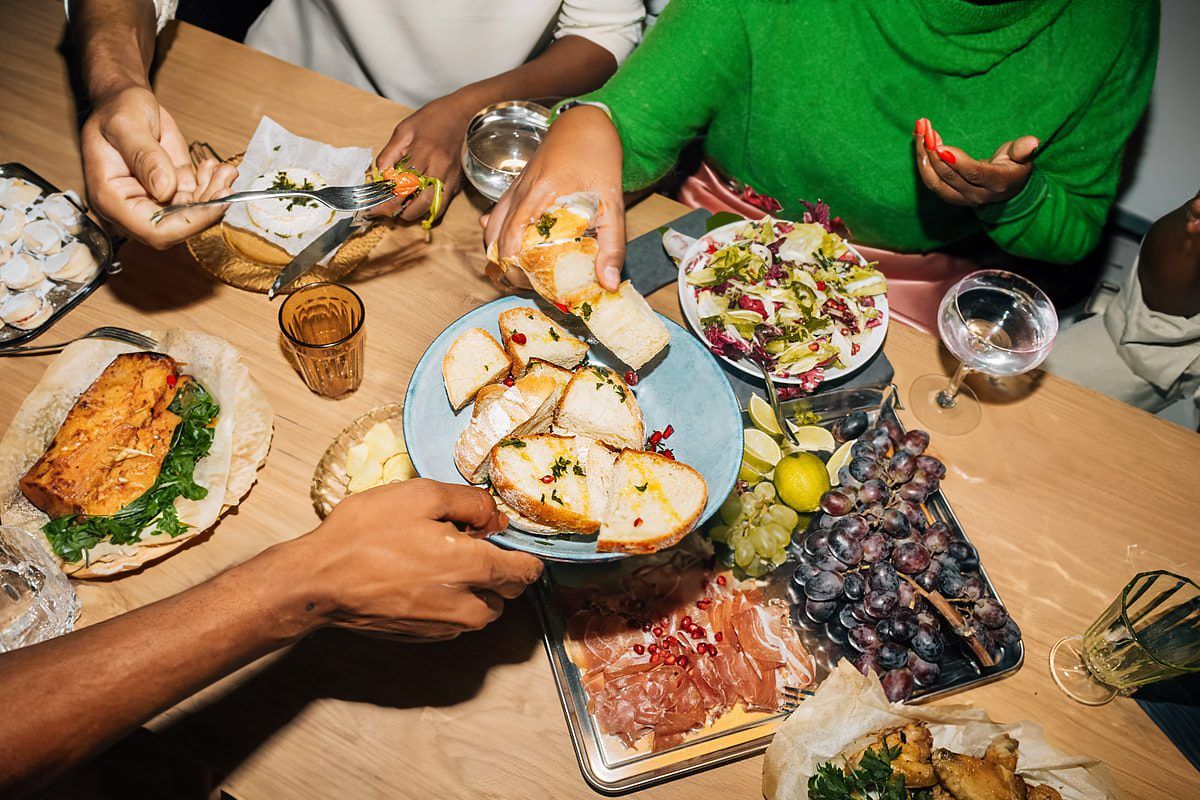
How it works: local hosts post dinners on thedinnerclub.eu — pasta nights, ramen evenings, Sunday brunches, supper clubs — and two to five guests book a seat for €3–25, just covering ingredients. The dinner happens at the host's home. You eat, you talk, you stay for the wine. Then most people come back, and a lot of guests eventually become hosts themselves.
Why it works: home settings make small talk impossible. There's no menu to hide behind, the host is plating food, conversation moves around the room because the room makes it move. Our average guest comes to three dinners in their first two months. About one in six eventually hosts their own.
Amsterdam: our biggest city, dinners almost every week.
Rotterdam: growing fast, dinners 1–2 times a week. Our Rotterdam guide is here.
The catch: our app launches in three weeks — until then, everything happens through the web platform, which works but isn't as fast as a native app. If you sign up now you're early.
Cost: €3–25 per dinner, ingredients included.
7. BeSquare — Best for Rotterdam-Specific Gatherings
BeSquare is a Rotterdam-only community running Saturday "dinner with strangers" evenings, plus other social events. They organize through Meetup and a private WhatsApp group. The format: six people, a centrally located venue revealed the day before, dinner, often followed by drinks at a nearby bar.
Why it works: if you're in Rotterdam specifically and want a tight-knit local community, BeSquare's smaller scale and recurring weekly cadence builds real familiarity. People come back. Members report "finding their people" within a few months.
Amsterdam: not available — Rotterdam-only.
Rotterdam: very active. Saturday dinners run regularly. Strong WhatsApp community.
The catch: Rotterdam-only. Pricing varies by event since they use different venues.
Honorable Mentions
A few things that aren't apps but are where a lot of people actually meet in these cities:
- Facebook expat groups — "Amsterdam Expats," "Internationals in Rotterdam," "Italians in the Netherlands," and country-specific groups are surprisingly active. People organize coffee meetups and house parties through them daily. Not glamorous, but effective.
- Reddit — r/Amsterdam and r/Rotterdam both have occasional meetup threads and active community channels. Useful for finding people interested in specific niches.
- Eventbrite — more events than Lu.ma but lower signal. Good for finding workshops, comedy nights, and one-off cultural events.
Which One Is Right for You?
If you don't know where to start, this is roughly how I'd think about it:
You just moved to Amsterdam or Rotterdam and don't know anyone. Start with two: Meetup (for hobby groups) and either The Dinner Club or Timeleft (for structured social experiences). One gives you a slow-build community, the other gives you a story you can tell at work on Monday.
You're more of an introvert and group settings drain you. Try BFF. One-on-one coffees are easier than walking into a room of strangers.
You're a working professional in tech, startups, or creative fields. Lu.ma is the obvious one. Pair it with InterNations for non-work social life.
You're in Rotterdam specifically and want a tight local community. BeSquare plus The Dinner Club. Both have small recurring formats that build familiarity faster than the Amsterdam-scale options.
You want recurring friendships, not novelty experiences. Skip Timeleft. Go with The Dinner Club, a Meetup hobby group, or InterNations activity groups — anything where the same faces show up week after week.
One Last Thing
The hardest part isn't downloading the app. It's going to the first event after you download it. Most people who say "apps don't work" never actually showed up to the second meeting. The compounding only kicks in around the third or fourth time.
Whichever app you pick from this list, the trick is to commit to going to four events. Not one. Four. If you've done four and you still hate it, fine — try a different app. But four is roughly where strangers start becoming familiar faces, and where the city stops feeling lonely.
If you end up at one of our dinners along the way, I'd love to meet you.