
Dinner With Strangers in Amsterdam: What It’s Really Like
**At first, the idea sounds a little strange. ## **
Dinner with strangers? In someone’s home? In Amsterdam, of all places?
But maybe that’s exactly why it works.
We live in a city full of people, yet so many social interactions still feel temporary. You meet someone at a bar, exchange Instagram handles, maybe say you should grab coffee sometime, and then life moves on. Amsterdam is beautiful, international, and full of energy, but it can also be surprisingly hard to build real connection here.
** That’s where dinner changes things. ## **
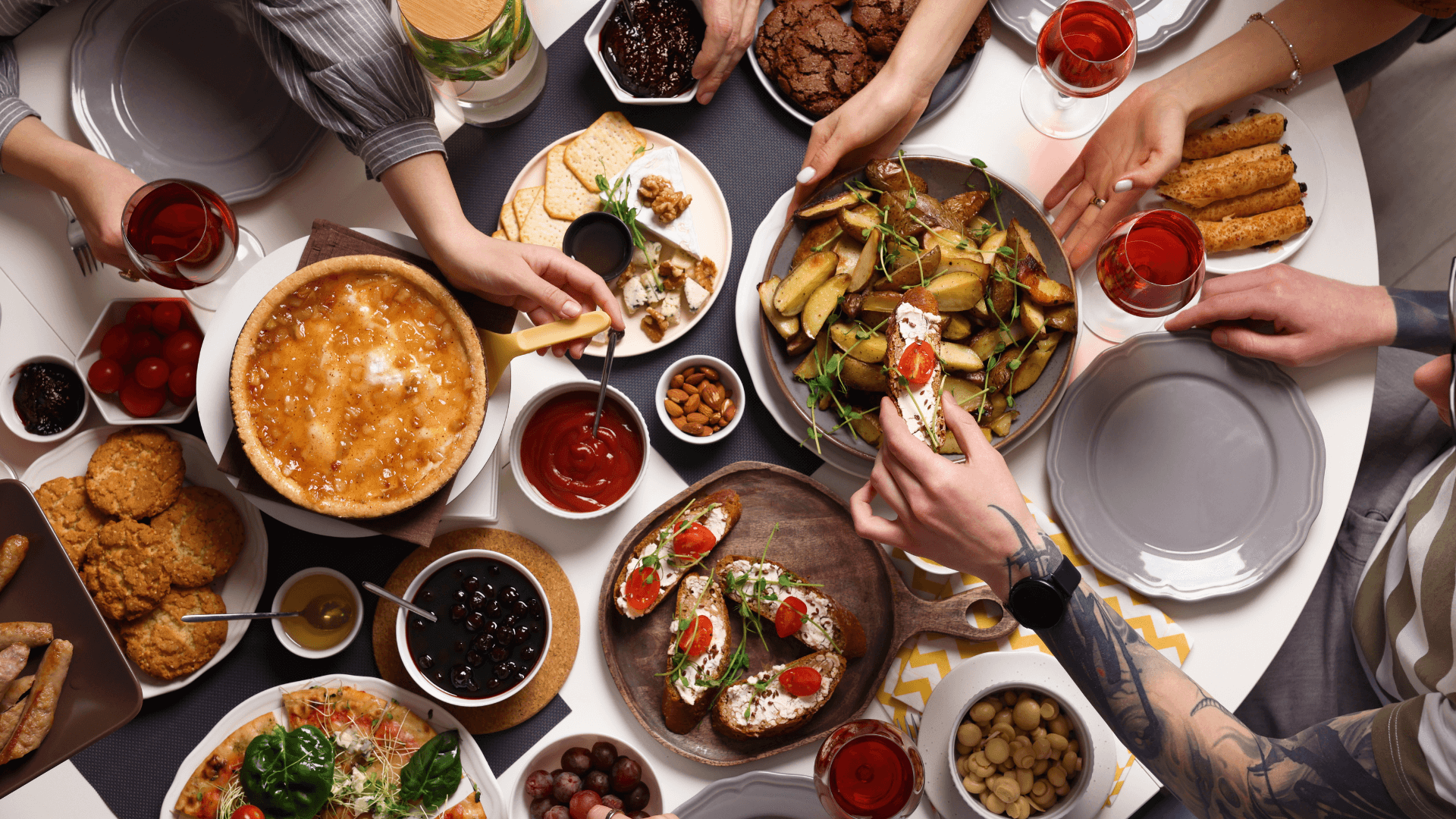
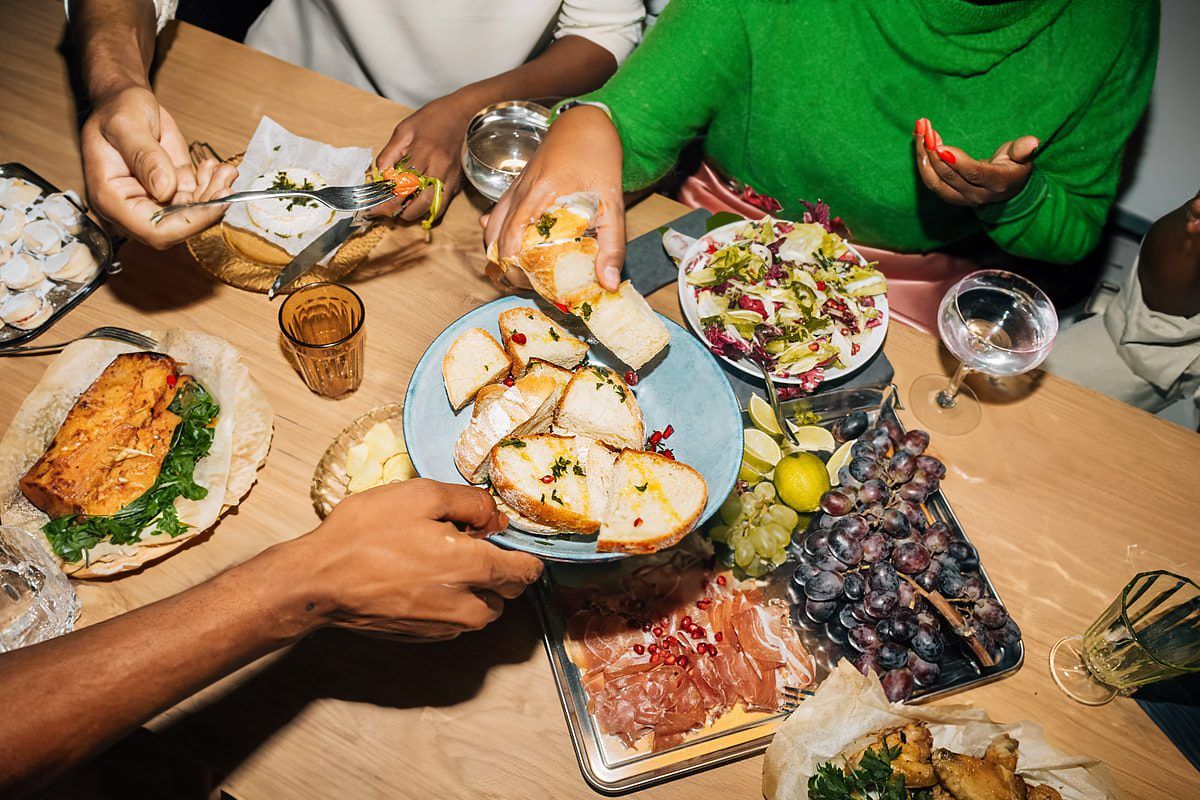
There’s something about sitting around a table, passing plates, pouring a glass of wine, and talking over a home-cooked meal that makes people relax in a different way. It doesn’t feel like networking. It doesn’t feel like dating. It doesn’t feel like another event where everyone is trying to impress each other.
** It just feels human. ## **
Why dinner works better than most social plans Most ways of meeting new people come with pressure.
At bars, the music is loud and the conversations are short. At networking events, people often arrive with a goal, a pitch, or a reason to move on quickly. On dating apps, even the simplest interaction can feel loaded before it has even begun. And when you’ve just moved to a new city, it’s easy to end up repeating the same pattern: work, gym, errands, scrolling, maybe drinks on the weekend, and then back to the start.
** Dinner creates a different kind of space. ## **
When you’re sharing a meal, there’s already a rhythm to the evening. You don’t need to force conversation from the first second. There’s food to talk about, music in the background, something happening in the kitchen, and enough structure to make the whole thing feel natural. Instead of trying to “meet people,” you’re simply spending time together.
** That small shift makes a big difference. ## **
You’re not there to perform. You’re there to eat, talk, laugh, and see where the evening goes.
So what is a dinner with strangers, exactly? It’s simpler than it sounds.
A local host plans a dinner at home and opens a few spots for guests to join. Maybe it’s a cozy pasta night in De Pijp, a slow Sunday dinner in Amsterdam Oost, or a casual Friday evening with homemade curry and candles on the table. Guests browse what’s happening, request a seat, and join a small group for the evening.
** Usually, it’s intimate by design. ## **
Not twenty people. Not a chaotic event hall. Not something that feels transactional.
Just a few guests, one host, a home setting, and a meal that gives everyone a reason to gather.
That intimacy is what changes the experience. In a small group, everyone gets included. Conversations can go deeper. People remember each other’s names. By the end of the night, it often feels less like attending an event and more like having been invited into someone’s world for a few hours.
**And that’s rare.## **
Is it awkward? Honestly, for about five minutes, sometimes yes.
But that’s true of almost every good thing in life.
The beginning is usually the part people worry about most: walking in, saying hello, wondering what everyone else is like. Then someone comments on the smell coming from the kitchen, someone else asks how long you’ve lived in Amsterdam, another person mentions the one Dutch word they can actually pronounce, and suddenly the room starts to soften.
The awkwardness doesn’t disappear because everyone is incredibly smooth or outgoing. It disappears because everyone is in the same situation.
That shared vulnerability is part of the charm.
Nobody has to pretend they already belong there. The whole point is that nobody knows each other yet. And once that’s clear, the pressure drops. Conversations become easier, people open up faster, and the evening starts to feel surprisingly comfortable.
A lot of the best dinners aren’t memorable because something dramatic happened. They’re memorable because nothing had to happen at all. People just connected.
Who is this for? More people than you’d think.
It’s for expats who have been in Amsterdam for three weeks and know exactly three people. It’s for young professionals who are tired of socialising through work drinks and group chats that never turn into plans. It’s for creatives, food lovers, solo newcomers, couples who want a different kind of night out, and locals who miss the feeling of spontaneous community.
It’s also for people who love food, but aren’t necessarily looking for a polished restaurant experience.
A home dinner has a different energy. It’s less about being served and more about being welcomed. You notice the music, the table setting, the story behind the dish, the slightly imperfect but charming rhythm of a real home. That’s part of what makes it memorable. It feels personal.
And in a city where so much can feel fast, curated, or temporary, personal stands out.
What people are really looking for Most people aren’t just looking for “something to do.”
They’re looking for a feeling.
They want to feel included. They want to feel less anonymous in a city full of movement. They want to meet people in a way that doesn’t feel forced. They want stories, not just plans. They want evenings that feel warm when the weather is grey, and meaningful when the week has been too long.
Dinner with strangers works because it answers that need in a simple way.
No big promises. No fake intimacy. No complicated social rules.
Just a table, a meal, and the possibility that a few strangers might leave as something more familiar than they were when they arrived.
Maybe not best friends. Maybe not instant soulmates.
But maybe people you’ll see again. Maybe someone you message the next week. Maybe a reminder that meeting new people doesn’t have to be loud, performative, or exhausting. Sometimes it can be as simple as someone saying, “Come over, dinner’s almost ready.”
And in Amsterdam, that might be exactly the kind of social life more people have been craving.