What is social dining, and why you will like it?
There's a shift happening in how people eat together, and it's not happening in restaurants.
Across cities like Amsterdam, London, Berlin, and New York, a growing number of people are skipping the reservation and doing something that would have seemed strange five years ago: going to a stranger's home for dinner. It's called social dining. And it might be the most interesting thing happening in food right now.
What is social dining
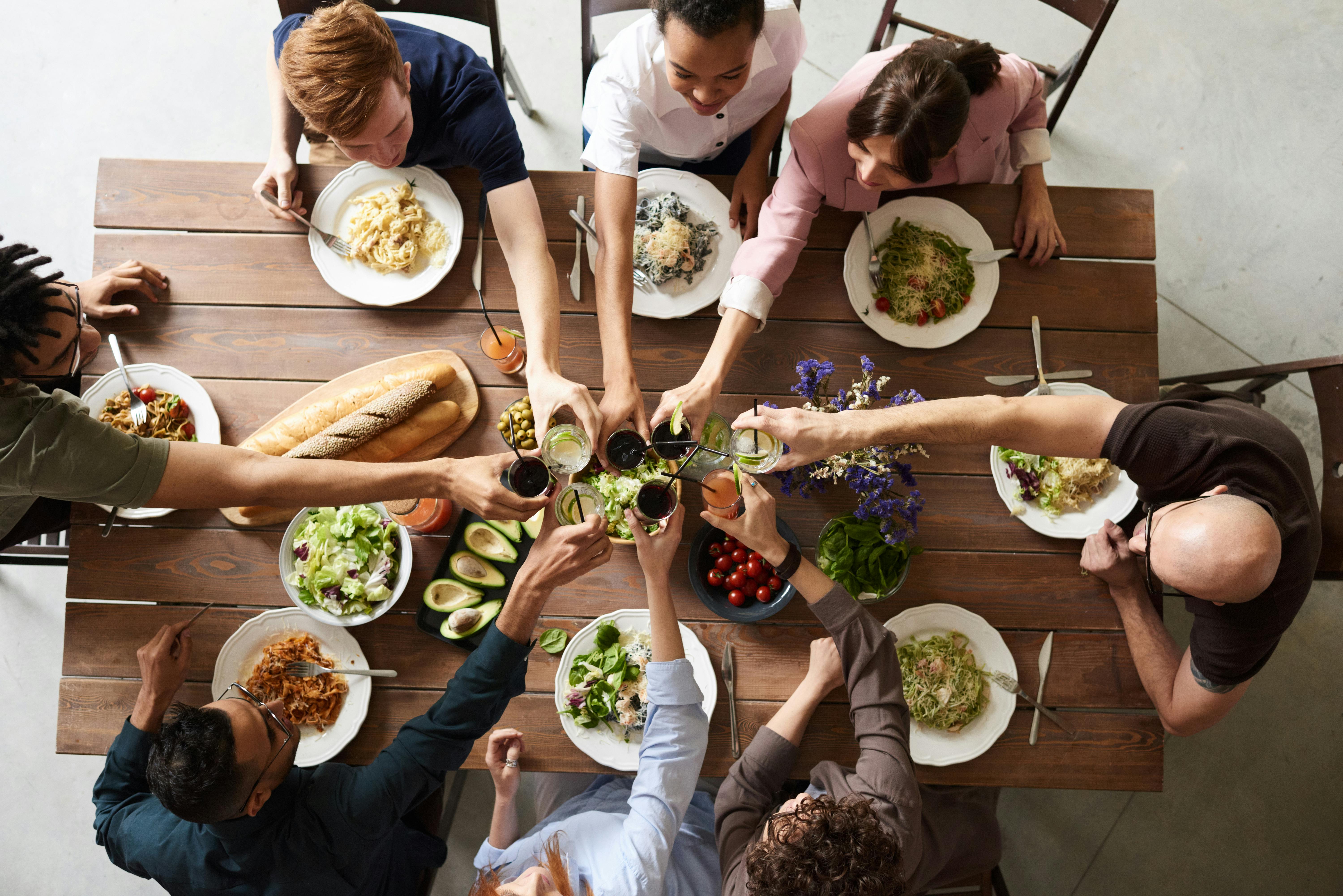
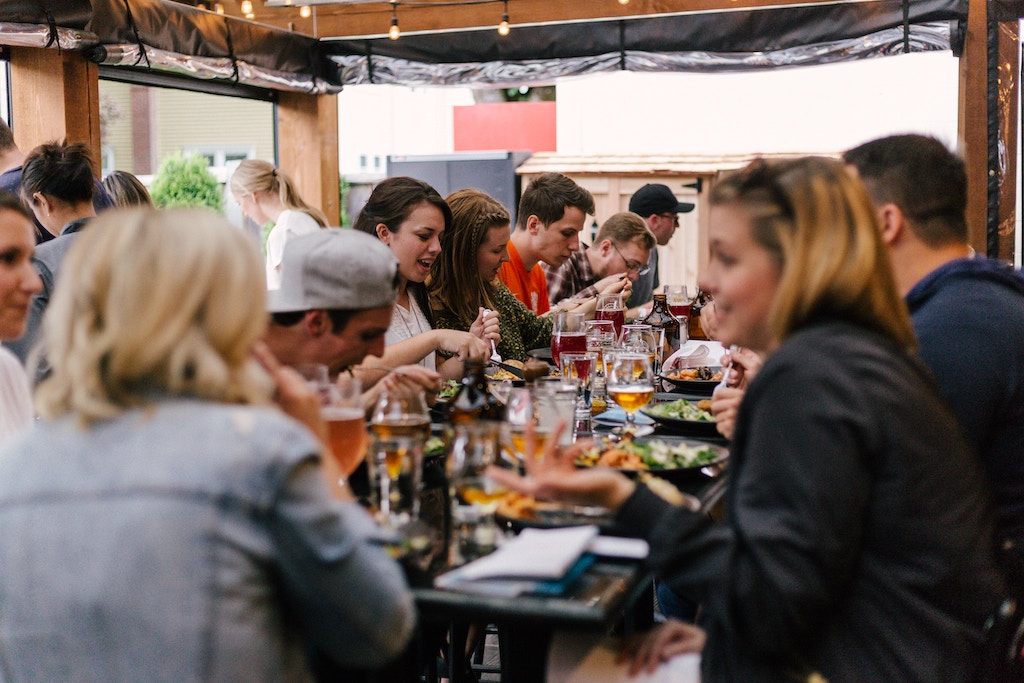
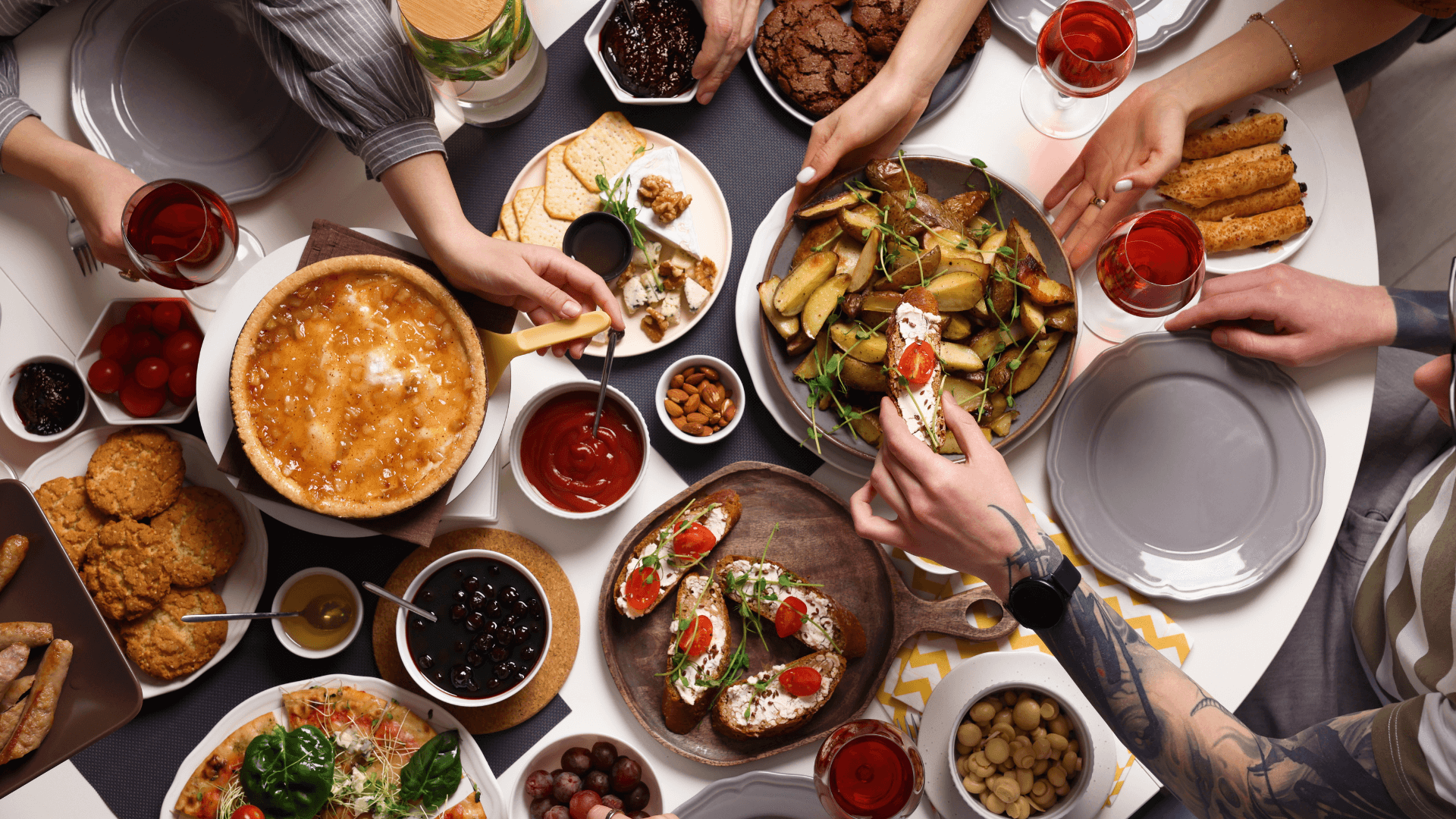
Social dining is exactly what it sounds like: eating with other people as a social activity, rather than just a way to consume food. But in practice, the term has come to mean something more specific. It refers to organized meals — usually in someone's home — where a host cooks dinner and guests who don't know each other show up, eat together, and (ideally) leave as friends. Think of it as a dinner party, but the host doesn't know the guests and the guests don't know each other. Everyone is there because they want good food and good company with people outside their usual circle.
What connects all of it is the core idea
food is better when it's shared, and meals are more interesting when the people at the table are unexpected. How is it different from eating at a restaurant? On the surface, social dining and restaurant dining look similar. Someone cooks food. You eat it. You pay for it. But the experience is fundamentally different in ways that matter more than you might think. At a restaurant, you're a customer. The food is the product. The staff are performing a service. You sit at your own table, eat with people you already know, and interact with strangers only when the waiter takes your order. The experience is transactional.
There's no waiter, no menu, no bill at the end (payment happens in advance through the platform). The experience is relational.
Why is social dining growing now?
Social dining isn't entirely new. Supper clubs have existed for decades. But the trend has accelerated dramatically in the past few years, and there are a few reasons why. The first is loneliness. It sounds dramatic, but the data backs it up. Across Europe and North America, rates of social isolation have been climbing steadily, particularly among young adults in cities. Amsterdam, for example, has over 180,000 expats — many of whom report struggling to build meaningful social connections despite living in one of Europe's most vibrant cities. Social dining offers a structured, low-pressure way to meet people that doesn't involve dating apps, networking events, or standing alone at a bar. The second is fatigue with conventional going out. Restaurants are expensive. Bars are loud. Networking events feel forced. For a generation that grew up with the promise of endless social options, the reality is that most options for meeting new people are either too expensive, too impersonal, or too awkward. Social dining is cheaper than a restaurant, more intimate than a bar, and more natural than a networking event. The third is the rise of platforms that make it easy. Five years ago, hosting a dinner for strangers required posting on Craigslist or knowing someone who knew someone. Now platforms exist that handle the logistics: matching hosts with guests, processing payments, managing reviews, and building trust through verified profiles. The friction that once made social dining impractical has been removed.
What does a social dining experience actually look like?
If you've never been to a social dining event, here's what to expect. You browse available dinners on a platform, usually filtered by date, location, cuisine, and price. You find one that looks interesting — maybe a Korean dinner in Amsterdam Oost for €15, or a free Italian pasta night in Centrum. You book a seat and pay in advance. A day or two before, you get a confirmation with the host's address and any details about what to bring (some hosts ask guests to bring a bottle of wine, others provide everything). You show up at the front door of someone's apartment or house. This is the moment where most first-timers feel a flicker of "what am I doing?" That feeling lasts about two minutes.
The host opens the door.
There are usually two to five other guests, most of whom are also arriving for the first time. There's an initial round of introductions — names, neighborhoods, what you do. It's a little awkward. Everyone acknowledges the awkwardness, which immediately makes it less awkward. Then the food comes out. And something shifts. The conversation starts flowing naturally because there's no pressure. This isn't a date. It's not a job interview. It's just dinner. Someone asks the host about the recipe. Someone else talks about the neighborhood. Before long, people are sharing stories, making jokes, and reaching for seconds. By dessert, people are exchanging numbers. By the time you leave, the word "stranger" feels wrong. These are people you just spent three hours talking to over a home-cooked meal. You may never see some of them again. But you'll remember the evening.
Social dining in Amsterdam
Amsterdam has become one of Europe's most active cities for social dining, and it's not hard to see why. The city is small enough that you can bike to a dinner anywhere in twenty minutes. It's international enough that any given table might have five different nationalities represented. The Dinner Club is an Amsterdam-based social dining platform that was born out of this exact need. The founder, Dani, started by cooking lasagna for three strangers from Reddit in his Amsterdam apartment. The response was overwhelming — over 500,000 views on his Reddit posts. So he built a platform where anyone in Amsterdam can host a dinner or book a seat at one. Guests browse by neighborhood and cuisine — from Italian in Centrum to Korean in Oost to Mexican tacos on a Tuesday night. Every guest is approved by the host before getting the address, and both sides leave reviews afterward. What makes it different from older platforms like EatWith or BonAppetour is the focus. Those platforms were designed for tourists looking for a one-off local experience. The Dinner Club is built for locals and expats who want recurring social connection. Many guests come back for a second or third dinner within weeks. Some eventually become hosts themselves. The goal isn't a single memorable meal — it's an ongoing community built around shared tables.
Browse upcoming dinners in Amsterdam → thedinnerclub.eu
How to try social dining for the first time If you're curious but hesitant, here's the honest truth: everyone feels nervous before their first social dinner. Every single person who has ever attended one had a moment at the door where they thought "I could still turn around." Nobody turns around. And nobody regrets staying. Here are a few tips for your first time: Pick a smaller dinner. Two to three guests is more intimate and the conversation flows more naturally than a table of six. Less chance of feeling lost.
Choose a cuisine you're curious about.
If you love Italian food, book the Italian dinner. If you've always wanted to try Korean home cooking, find a Korean dinner. Having genuine curiosity about the food gives you something to talk about immediately. Bring something. Even if the listing says everything is included, showing up with a bottle of wine or a small dessert makes a great first impression and gives you something to hand to the host as an icebreaker. Go alone. This sounds counterintuitive, but going with a friend actually makes the experience less effective for meeting new people. When you go alone, you're forced to engage with everyone at the table. That's where the magic happens. Stay for the whole evening. Don't eat and leave. The best conversations happen after the food is gone, when people are relaxed and wine glasses are being refilled. Give it the full three hours.
The future of social dining
Social dining is still in its early stages. Most people have never heard the term, and the first reaction is usually "you go to a stranger's house for dinner?" followed by curiosity, then interest, then "when's the next one?" But the underlying trend is unmistakable. People want connection. They want experiences that feel real and personal in a world that increasingly doesn't. They want to eat food made by a person, in a kitchen, at a table — not delivered in a box by someone on a scooter. Restaurants aren't going anywhere. But for a growing number of people, the most memorable meal of the month isn't happening at a restaurant. It's happening in someone's apartment, with people they didn't know that morning, over a dish someone's grandmother taught them to make. That's social dining. And it's just getting started. Try it for yourself → thedinnerclub.eu
The Dinner Club is a social dining platform in Amsterdam where local hosts cook dinner and strangers book a seat. Founded by Dani and Mara, who cooked lasagna for Reddit strangers and accidentally started a movement.
Read more: How to Meet People in Amsterdam | I Cooked Dinner for Strangers | The Loneliness Problem in Amsterdam | Dinner with Strangers in Amsterdam